
Serving Wisely with Human Trafficking
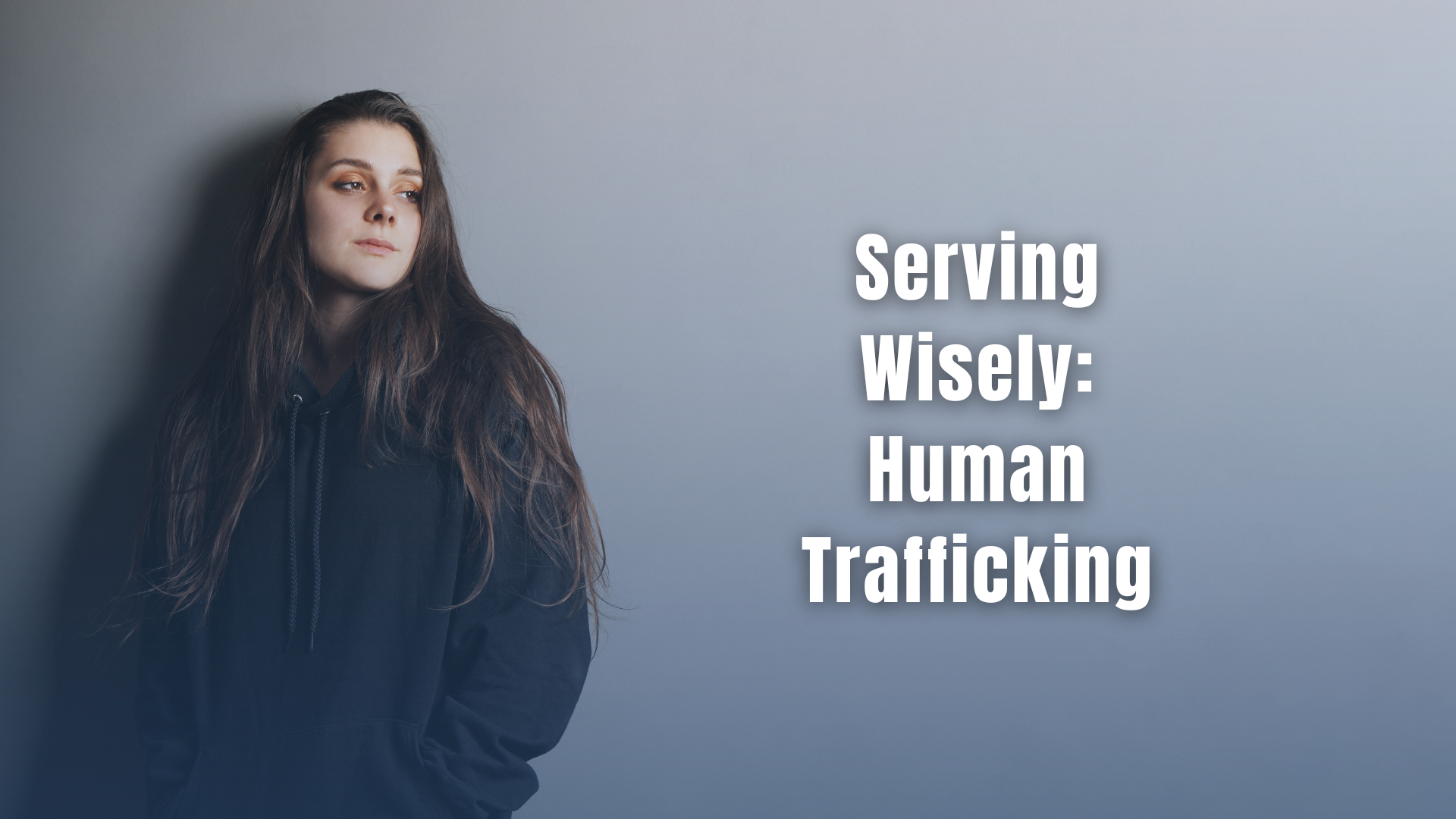
A Guide for Community Ministers
Few areas of community ministry require as much humility, patience, and wisdom as engaging the issue of human trafficking. It is complex, deeply traumatic, and often misunderstood—even within the church. Community ministers who step into this space are not simply organizing outreach opportunities; they are entering sacred ground where trust has been broken, safety has been violated, and healing takes time.
This article, based on the Salty Talk Episode 16 on human trafficking, offers an important reminder: effectiveness in this work does not come from urgency alone, but from informed, relational, and collaborative engagement.
Understanding the Reality Beneath the Surface
One of the most damaging misconceptions about trafficking is the belief that people in the life have “chosen” their circumstances.
In reality, trafficking thrives on vulnerability—often targeting individuals who have experienced abuse, instability, foster care transitions, addiction, domestic violence, or poverty.
Coercion, threats, and manipulation are central to how trafficking operates, even when it doesn’t look overtly violent.
Community ministers play a vital role in reshaping how churches understand this reality. Education is not optional; it is foundational. Without it, well-intended efforts can unintentionally cause harm, reinforce stigma, or retraumatize those the church hopes to serve.

Trafficking ministry is not primarily about dramatic moments of rescue.
It is about consistent presence.
Why Relationships Matter More Than Rescue Language
Trust is rarely built quickly, and for many survivors, skepticism toward helpers is a survival skill—not resistance.
Healthy engagement looks like showing up again and again with no pressure, no ultimatums, and no hidden agendas. It may take dozens of interactions before someone is willing to accept help beyond food, clothing, or conversation. That persistence is not failure—it is faithfulness.
This mirrors the ministry of Jesus, who consistently connected with people long before calling them into transformation. In this space especially, connection must come before correction.
Partnering Instead of Building From Scratch
One of the most important takeaways for community ministers is this: churches do not need to become trafficking experts to make a meaningful impact.
In most communities, there are already survivor‑led organizations, case workers, legal advocates, shelters, and outreach teams who understand the local landscape. The most effective role the church can play is often as a connector—mobilizing volunteers, providing resources, offering prayer, and filling gaps identified by trusted partners.
Attempting to create a standalone trafficking ministry without training, trauma awareness, or survivor leadership can be dangerous.
Wisdom looks like asking, “Who is already doing this well in our city?” and then listening closely.

Safety, Boundaries, and Trauma Awareness Are Essential
Trafficking outreach is not the same as other service opportunities. Volunteers must be trained—not just spiritually, but practically. This includes understanding personal boundaries, consent, safety protocols, and how to read nonverbal cues.
Simple practices matter deeply:
Asking permission before praying or touching someone
Keeping interactions brief and respectful
Avoiding graphic storytelling or “shock value” awareness tactics
Knowing when to step back rather than press forward
Community ministers are responsible not only for those being served, but also for the volunteers being sent. Discernment about who is ready for frontline engagement—and who may serve better through prayer, logistics, or support roles—is an act of care for everyone involved.
Shifting the Church’s Role Upstream
Not every church will be called into direct street outreach—and that is okay.
One of the most powerful contributions churches can make is prevention.
By strengthening families, supporting foster and adoptive parents, mentoring youth, walking alongside single parents, and addressing housing insecurity, churches become protective factors. Many trafficking stories begin long before exploitation ever occurs. When the church shows up early, consistently, and relationally, vulnerability is reduced.
This broader lens allows more congregations to engage meaningfully without overstepping their capacity.
Measuring Faithfulness, Not Just Outcomes
In trafficking ministry, success cannot be measured by numbers alone. Faithfulness may look like:
One person accepting a meal
A conversation that ends with trust instead of fear
A referral made at the right moment—even years later
Transformation is often invisible in the short term. Community ministers are called to steward patience, resist savior mentalities, and trust God with outcomes that may never be fully seen.
A Call to Lead with Wisdom and Compassion

Engaging human trafficking requires courage—but even more, it requires restraint, humility, and collaboration.
Community ministers are uniquely positioned to help churches move beyond awareness into wise action that honors the dignity of every person involved.
By listening to survivors, partnering locally, training volunteers well, and committing to long-term presence, the church can reflect the heart of Christ in one of the darkest spaces of brokenness—without rushing, forcing, or performing.